
Skin Needling Aftercare
Your guide to the first 24 hours, 48 hours and 7 days after treatment
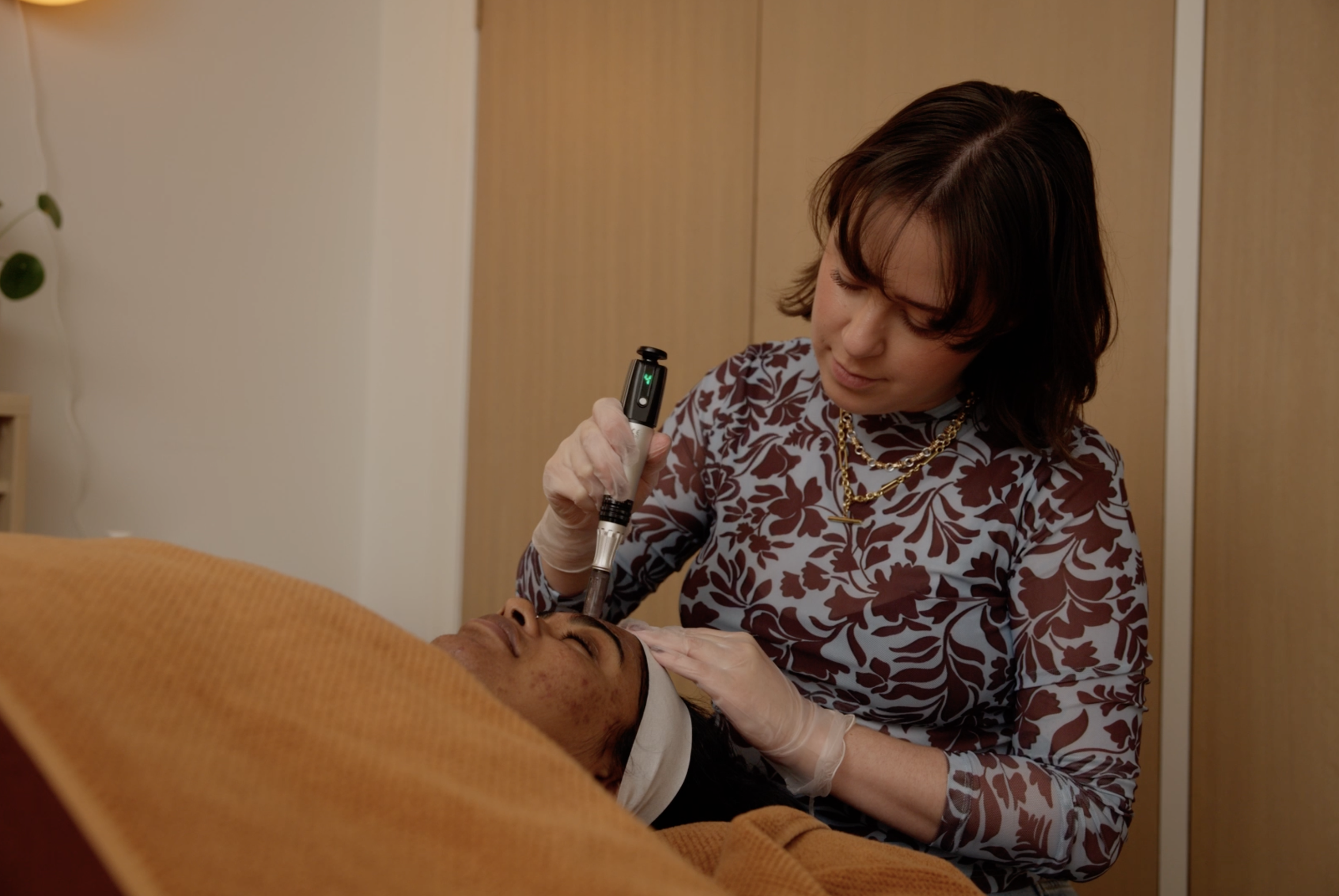
Skin needling works by creating controlled micro-injuries in the skin to stimulate its natural repair processes and encourage collagen production. While your skin gets to work repairing and regenerating, it's important to give it the right environment to recover.
Your skin may feel warm, tight, dry or sensitive in the days following treatment. This is completely normal, and recovery will vary depending on your skin, treatment depth and individual response.
The golden rule? Keep it simple, gentle and protected. Your skin has already done the hard work during treatment. Now it's time to let it recover!
-
What to expect
Redness and warmth, similar to mild sunburn.
Mild swelling, puffiness or tenderness.
Tightness, sensitivity or a slightly prickly sensation.
Your skin may look flushed or feel warmer than usual.
How to care for your skin
Leave your skin alone as much as possible for the remainder of the day.
Use only the post-treatment skincare recommended or provided to you.
Avoid cleansing immediately after treatment. Wait at least 12 hours, or until the following morning, before gently rinsing your skin with clean, lukewarm water.
Cleansing products aren't necessary during the first 24 hours unless advised. Water alone is sufficient while your skin begins to recover. Avoid hot water, washcloths or rubbing the skin, and gently pat dry with a clean towel.
Keep your hands off your face and avoid unnecessary touching.
Sleep on a clean pillowcase.
Keep cool, hydrated and out of direct sunlight.
What to avoid
SPF, Makeup and non-approved skincare products.
Exercise, excessive sweating and strenuous activity.
Hot showers, saunas, steam rooms and hot yoga.
Swimming pools, spas and ocean swimming.
Active skincare, including retinoids, exfoliating acids and strong vitamin C formulas.
Facial massage, gua sha, exfoliating tools and cleansing brushes.
Direct sun exposure, tanning and picking or scratching your skin.
Sun protection: Avoid direct UV exposure. Follow your personalised instructions for restarting SPF, generally once the initial post-treatment period has passed and the skin is suitable for application. Until then, rely on shade, a wide-brimmed hat and staying indoors where practical.
-
What to expect
Redness and warmth should gradually begin to settle.
Skin may feel tight, dry, rough or slightly itchy.
Mild swelling or sensitivity may still be present.
Some areas may feel more sensitive than others.
How to care for your skin
Gently cleanse with a mild, non-exfoliating cleanser and lukewarm water.
Apply your recommended hydrating and barrier-supporting products.
Some antioxidant serums can be used 24-48 hours post treatment but only do so if it was suggested at your appointment.
Continue avoiding active skincare ingredients.
Apply SPF 50+ daily once your skin is ready, as directed, and continue to minimise sun exposure.
Pat your skin dry rather than rubbing it.
Keep your routine minimal: cleanse, hydrate, moisturise and protect.
Continue to avoid
Exfoliating products, retinoids and strong actives.
Scrubs, cleansing devices and facial massage.
Excessive heat, heavy sweating and swimming until the skin has recovered sufficiently.
Picking at any dryness, flaking or peeling.
-
What to expect
Most visible redness should have significantly reduced.
Your skin may begin to feel dry, flaky or slightly rough.
Mild peeling or shedding may occur.
Skin can temporarily appear dull or uneven as it recovers.
How to care for your skin
Continue with gentle cleansing, hydration, moisturiser and SPF.
Focus on supporting your skin barrier and maintaining moisture.
Don't manually exfoliate or pull away flaking skin.
If your skin feels comfortable, with no lingering redness, heat or sensitivity, you can begin gradually reintroducing selected products.
Reintroducing skincare
Days 3–4: Gentle antioxidants
If your skin is calm, comfortable and no longer experiencing redness or sensitivity, you can begin reintroducing gentle antioxidant serums.
Look for ingredients such as Niacinamide (Vitamin B3), Vitamin E, Green Tea Extract, Resveratrol or gentle Vitamin C derivatives. These can help support your skin barrier, calm inflammation and protect against environmental stress.
Avoid strong or acidic Vitamin C formulas (particularly L-Ascorbic Acid) until your skin has fully recovered, generally around day 7 or later.
Remember, it's not just the ingredient that matters, but the overall formulation. Only reintroduce products your skin already tolerates, and wait longer if you're still experiencing irritation.
Days 4–5: Gentle enzyme exfoliation
If your skin is completely calm and intact, a very gentle enzyme exfoliant may be reintroduced if skin is feeling flaky. However, exfoliation isn't essential during recovery and it's generally better to wait until at least day 7 especially if you have any residual sensitivity.
-
What to expect
Your skin should be feeling much closer to normal.
Dryness, flaking and sensitivity should be resolving.
Skin may begin to look smoother, brighter and more hydrated.
Deeper skin regeneration and collagen remodelling will continue over the following weeks and months.
How to care for your skin
Continue prioritising hydration, barrier support and daily SPF.
Gradually reintroduce your usual active ingredients, one at a time.
Pay attention to how your skin responds rather than rushing back into your full routine.
If anything stings, burns or causes persistent redness, stop using it and allow more recovery time.
Days 6–7 onwards: Retinoids & Exfoliating Acids
Retinol, retinal, AHAs, BHAs and other stronger active ingredients can generally be considered once your skin has fully recovered, typically no earlier than day 7 for stronger actives.
Start slowly rather than immediately returning to your usual frequency. If your skin is still dry, sensitive or peeling, wait longer.
A Few Important Reminders
SPF is non-negotiable. Your skin is particularly vulnerable to UV exposure following skin needling. Once appropriate to apply, use a broad-spectrum SPF 50+ daily, reapply as needed and avoid intentional sun exposure.
Don't pick or peel. If your skin begins to flake, let it shed naturally. Picking can increase the risk of irritation, pigmentation and scarring.
More skincare doesn't mean better results. Avoid introducing new products or overloading your skin with actives while it's recovering.
Results take time. Although you may notice improvements in hydration, texture and overall appearance within the first couple of weeks, collagen remodelling takes time. More significant improvements generally develop over the following months, and a course of treatments may be recommended depending on your skin goals.
When to Get in Touch
Mild redness, tightness, dryness and sensitivity can be normal following treatment. However, increasing pain, worsening redness, significant swelling, blistering, discharge or persistent irritation are not expected.
Please get in touch if you're unsure whether your skin is recovering normally. Seek prompt medical attention for signs of infection, such as spreading redness, increasing heat, pus or fever.
Your skin is unique, and so is your recovery. If I've given you personalised aftercare instructions or specific products to use, please follow those over this general guide.
I'm always happy to answer questions about your recovery or help you work out when it's appropriate to restart your usual skincare.