Image 1 of 6
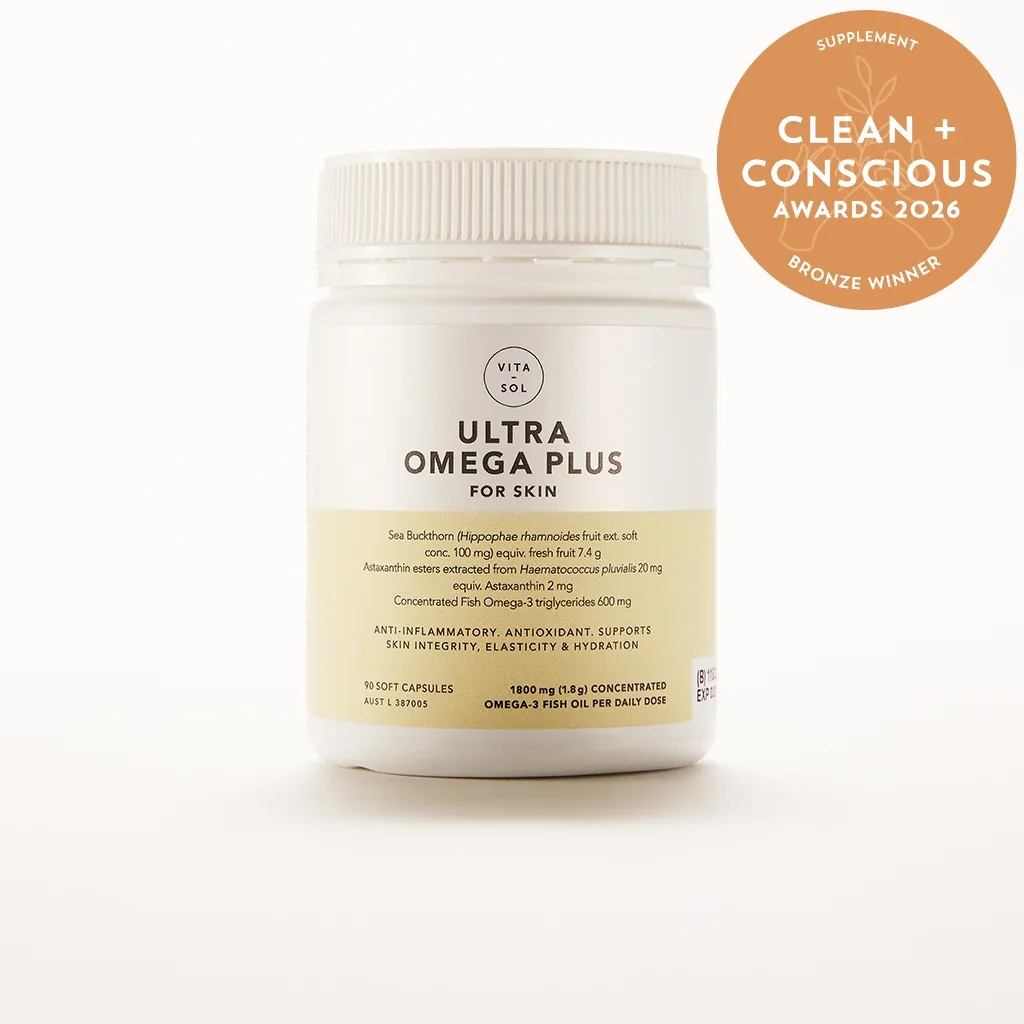 Image 2 of 6
 Image 3 of 6
 Image 4 of 6
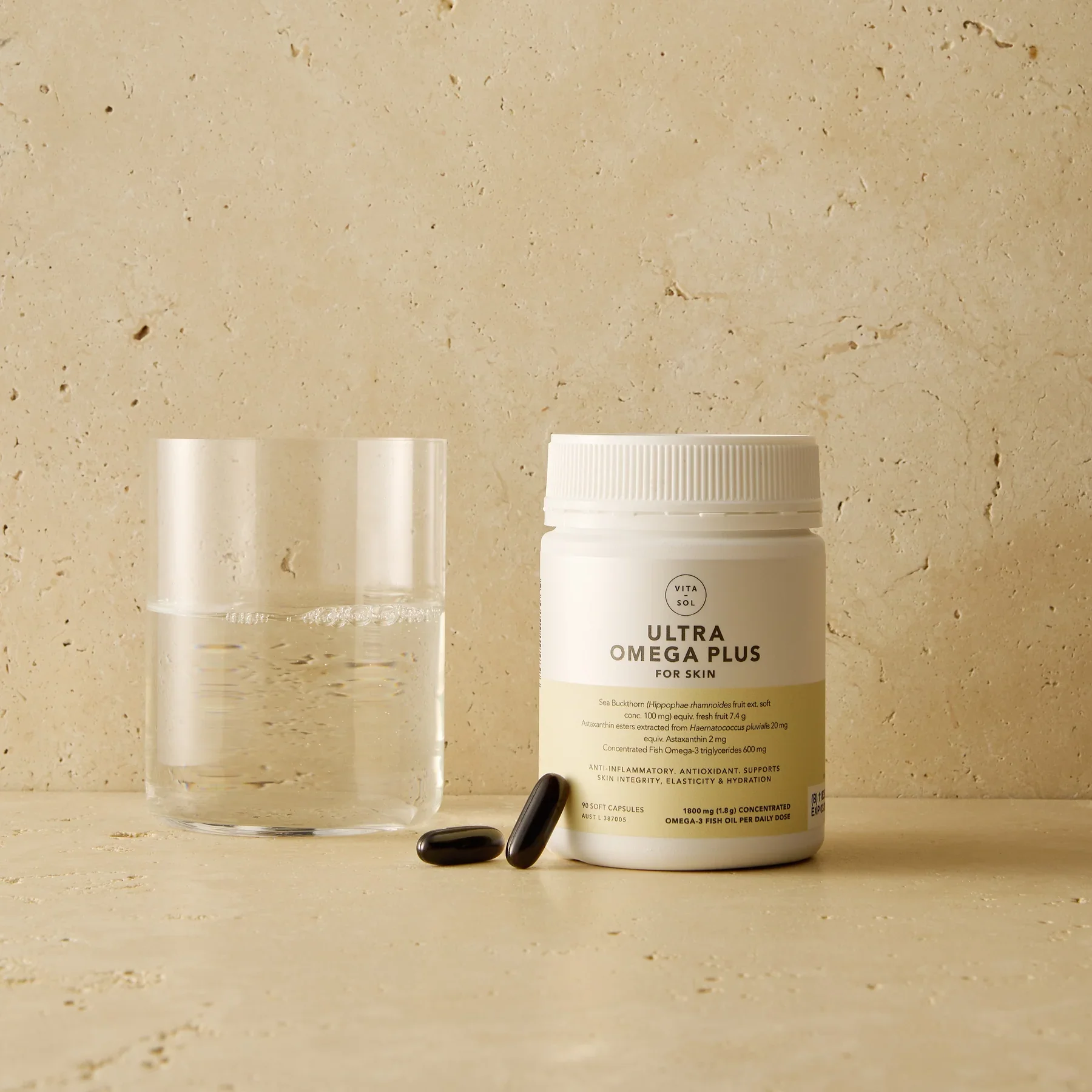 Image 5 of 6
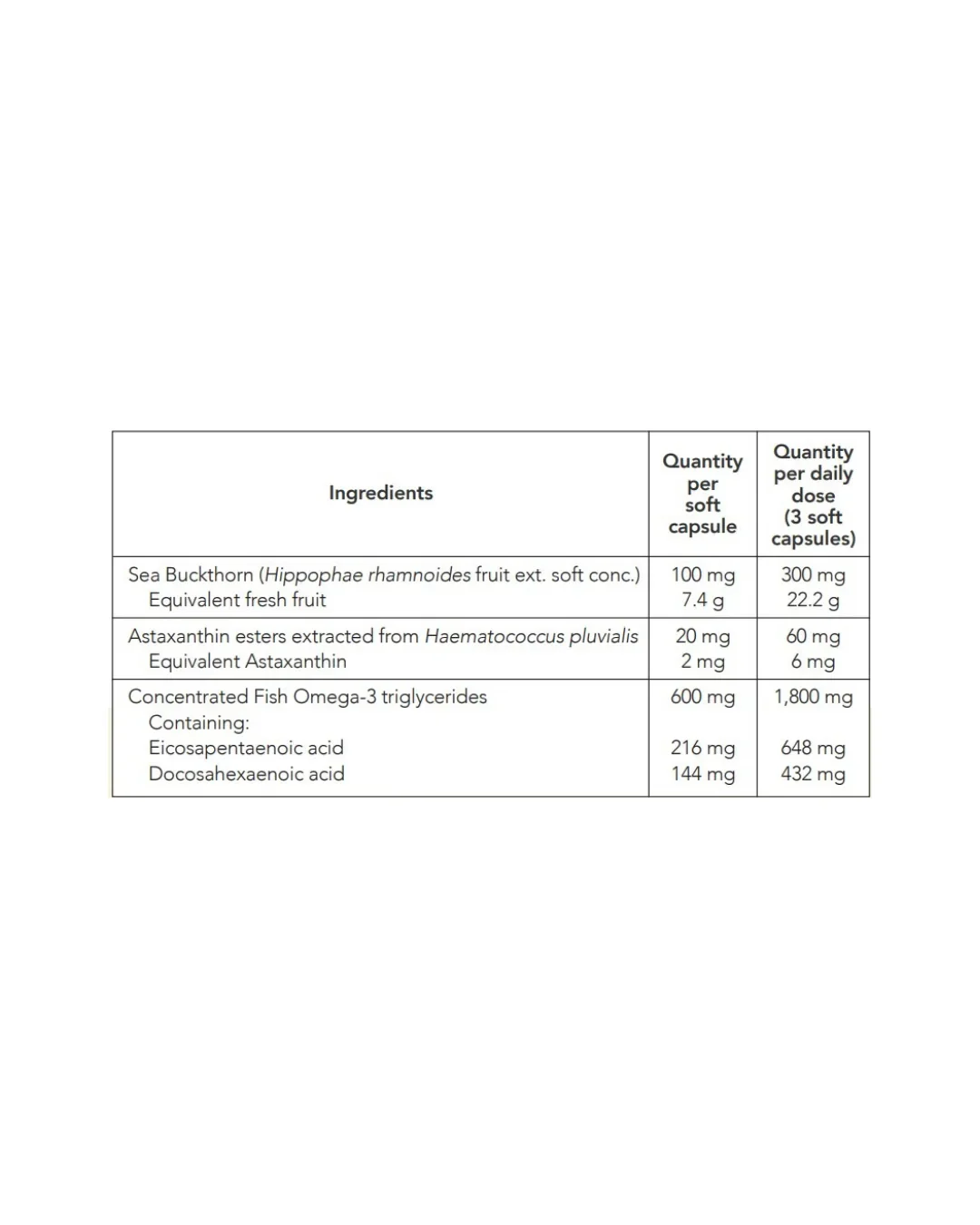 Image 6 of 6
Ultra Omega Plus For Skin

Ready to nerd out? Here is everything you need to know!
-
Supports Healthy Inflammatory Responses
Omega-3 fatty acids play an important role in regulating inflammatory processes within the body. This makes them particularly relevant for skin experiencing ongoing inflammation, redness or sensitivity.
Supports Acne-Prone Skin
Inflammation plays an important role in acne, particularly red, swollen and tender breakouts. Omega-3 fatty acids may provide additional nutritional support for inflammatory acne as part of a broader skin management plan.
Supports Skin Barrier Function
Essential fatty acids contribute to healthy cell membranes and skin structure. Adequate dietary fat intake helps maintain skin integrity and supports the skin's natural protective functions.
Supports Dry, Dehydrated & Compromised Skin
Omega-3s and Sea Buckthorn provide fatty acids and nutrients that help maintain skin hydration, suppleness and comfort from within.
Additional Support for Inflammatory Skin Conditions
May be a useful nutritional addition for people managing inflammation-associated conditions such as rosacea, eczema or dermatitis, although evidence for improving these specific conditions is limited and individual results vary.
Antioxidant Protection
Astaxanthin and Sea Buckthorn provide antioxidants that help protect cells against oxidative stress and free radical damage.
Supports Healthy Skin Ageing
Essential fatty acids and antioxidants help maintain skin elasticity, structure and overall resilience as skin ages.
-
Inflammation-prone skin
Red, inflamed acne and breakouts
Acne-prone teenage and adult skin
Dry and dehydrated skin
Skin barrier dysfunction
Sensitive or reactive skin
Nutritional support alongside rosacea, eczema or dermatitis management
Skin experiencing ongoing redness or discomfort
Maintaining skin hydration and elasticity
Healthy ageing and antioxidant support
Anyone wanting additional essential fatty acids in their diet
-
Inflammation is a normal and necessary part of the body's defence and repair processes. However, ongoing or excessive inflammation can contribute to skin concerns such as redness, irritation and inflammatory acne.
Omega-3 fatty acids are involved in the production of compounds that help regulate and resolve inflammation.
They're also important components of cell membranes, helping maintain normal cellular function and skin integrity.
For skin that's experiencing inflammation alongside a weakened barrier, nutritional support can complement topical products focused on hydration, lipid replenishment and barrier repair.
-
Concentrated Marine Omega-3 Triglycerides — 1,800mg per daily dose
Sourced from wild-caught Norwegian sardines and anchovies.
Contains EPA and DHA, long-chain Omega-3 fatty acids involved in normal inflammatory regulation, cell membrane function and maintaining healthy skin structure.
Sea Buckthorn — 300mg per daily dose
A nutrient-rich fruit containing plant fatty acids, carotenoids and polyphenols.
Provides antioxidant and nutritional support for skin hydration, integrity and elasticity.
Astaxanthin — 6mg per daily dose
A naturally occurring carotenoid antioxidant derived from Haematococcus pluvialis algae.
Helps reduce free radical formation and provides antioxidant support for skin exposed to oxidative and environmental stress.
Per recommended daily dose (3 soft capsules):
Concentrated Fish Omega-3 Triglycerides — 1,800mg
Sea Buckthorn — 300mg
Astaxanthin — 6mg
Per soft capsule:
Concentrated Fish Omega-3 Triglycerides — 600mg
Sea Buckthorn (Hippophae rhamnoides) Fruit Extract — 100mg, equivalent to 7.4g fresh fruit
Haematococcus pluvialis Extract — 20mg, equivalent to 2mg Astaxanthin
-
Ultra Omega Plus For Skin should be enjoyed daily for best results. For adults, take three oral capsules daily or as professionally prescribed.
Warnings: Always read the label. Follow the directions for use. If symptoms persist, talk to your health professional. Supplements can only be of assistance if dietary intake is inadequate. Contains fish products and sulfites. Do not use if cap seal is broken.
-
Vita-sol uses fish oil sourced from wild-caught Norwegian sardines and anchovies, purified through molecular distillation and independently certified by FOS and IFFO for quality and sustainability.
-
When choosing an Omega-3 supplement, it's not just about how much fish oil is in the capsule — it's about how much of the beneficial Omega-3 fatty acids you're actually getting, their quality and how well your body can absorb them.
Some cheaper fish oils contain relatively low concentrations of the active Omega-3s, meaning you may need several capsules to get the same amount provided by a more concentrated supplement.
What to Look For
1. High EPA + DHA Content
These are the two main Omega-3 fatty acids to look for.
EPA (Eicosapentaenoic Acid): Particularly important for supporting healthy inflammatory responses, making it relevant to inflammation-prone and acne-prone skin.
DHA (Docosahexaenoic Acid): Important for cell membrane structure and function, helping maintain healthy cells and overall skin integrity.
Both are valuable for skin health. Rather than focusing on DHA alone, look for a meaningful amount of EPA and DHA combined, with the balance suited to your goals.
2. Check the Actual Omega-3 Concentration
A supplement labelled "Fish Oil 1,000mg" doesn't necessarily contain 1,000mg of Omega-3s.
A common standard fish oil capsule contains approximately:
1,000mg total fish oil
180mg EPA
120mg DHA
300mg combined EPA + DHA
That means only around 30% of the oil is EPA and DHA.
A concentrated formula can provide more of these beneficial fatty acids per capsule, potentially reducing how many you need each day.
3. Triglyceride Form for Absorption
Omega-3 supplements come in different forms.
Natural and re-esterified triglyceride forms generally have good bioavailability, meaning the body can effectively absorb and utilise their fatty acids.
Ethyl ester forms can also be effective, but may be absorbed somewhat less efficiently under certain conditions.
4. Purity, Freshness & Independent Testing
Fish oils are sensitive to oxidation, particularly when exposed to heat, light and oxygen.
Look for brands that provide evidence of quality testing for:
Oxidation and freshness
Heavy metals, including mercury
Environmental contaminants such as PCBs
Accurate EPA and DHA concentrations
Independent testing and transparent manufacturing practices are useful signs of quality.
5. Sustainable, Traceable Sourcing
Look for clearly identified fish sources and independently verified sustainability practices.
Small oily fish, such as sardines and anchovies, are commonly used because they're naturally rich in Omega-3s.
What to Be Careful Of
Big Fish Oil Numbers With Low EPA + DHA
Don't assume a 1,000mg or 2,000mg fish oil supplement provides that amount of active Omega-3. Always read the nutritional panel.
Choosing Based on Price Alone
A cheaper bottle isn't necessarily better value if you need several capsules to reach your intended EPA and DHA intake. Compare the cost per amount of EPA + DHA, not just the number of capsules.
Poor Storage or Unclear Quality Testing
Fish oil can oxidise over time. Choose products with appropriate packaging, clear expiry dates and quality controls, and store them according to the label.
Unnecessary Additions or Excessive Doses
More isn't always better. Be mindful of added vitamins, particularly Vitamins A and D in fish liver oils, and avoid taking high doses without professional guidance.
Why I Like Vita-sol Ultra Omega Plus
Ultra Omega Plus combines concentrated marine Omega-3 triglycerides with Sea Buckthorn and Astaxanthin, providing fatty acid and antioxidant support in one supplement.
Its focus on quality sourcing, purification and skin-supportive nutrients makes it a thoughtful option for anyone wanting to support skin health from within.
The takeaway: Don't just buy the fish oil with the biggest number on the front or the cheapest price tag. Look at the EPA and DHA content, quality, freshness, absorption and whether the formula suits your needs.
Thank you for shopping small
♡
Thank you for shopping small ♡